How to Learn Aerial Straps: A Complete Beginner's Guide
If you've searched "how to learn aerial straps," you've probably noticed something frustrating: there's a lot of footage of incredible tricks online, but very little that actually explains how to get started. This guide fixes that. It walks you through exactly what straps training involves, what your body needs before you touch the apparatus, and how to structure your first months so you build real progress instead of guessing.
What Is Aerial Straps, Exactly?
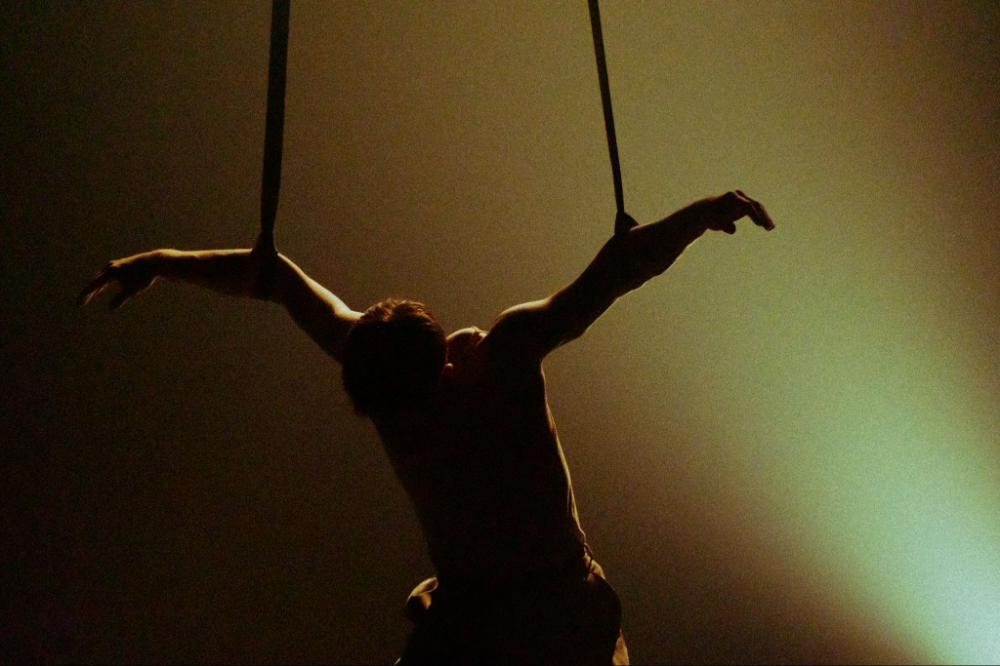
Aerial straps are two long fabric loops that hang from a rig or point above you. You hold them with your hands and wrists, which means your entire bodyweight is controlled through your grip, shoulders, and core at all times. That's what makes straps one of the most physically demanding aerial disciplines: there's no fabric to catch you if your technique breaks down.
This is also why straps looks so clean and powerful when done well. Every position, a flag, a meathook, an inversion, is pure body control. There's nowhere to hide weak technique.
What Your Body Needs Before You Start
Before you touch the straps themselves, three physical qualities matter more than anything else:
Your grip. Your hands are your only connection to the apparatus, so understanding grip comes before anything else. There are three main straps grips, each with its own purpose. The slider grip has your hand placed inside the straps with the slider locking your wrist securely in place, giving a stable, comfortable connection that reduces fatigue. The choker grip is created by tying a loop at the end of the straps, your thumb faces upward, and the loop naturally tightens under your bodyweight, using force and body position to create a stronger, safer hold. The knot grip uses a knot tied in the middle of the straps, with your wrist connected directly into it for a more fixed, direct feeling. Learning when to use each one builds the foundation for safer training, better movement efficiency, and more control in both static and dynamic straps work.
Shoulder and scapula stability. Straps ask your shoulders to work in ranges most people never train, full support above your head, rotation while inverted, and control while your bodyweight pulls downward. Shoulder injuries are the most common straps injury, and almost always come from skipping this step.
Core and hollow-body control. Nearly every straps position relies on a strong hollow body, the shape that lets you stay rigid and controlled instead of swinging loosely. If you can hold a solid hollow body on the floor for 30-45 seconds, you're in a good starting position.
If you're not there yet, that's completely normal, it's exactly why a structured strength program should come before (or alongside) your first sessions on straps, not after.
The Right Order to Learn Skills
One of the biggest mistakes beginners make is trying to learn tricks in the order they see them on Instagram, instead of the order their body is actually ready for. A sensible progression generally looks like this:
1. Grip and hang familiarity. Getting comfortable simply hanging, adjusting your grip, and controlling small movements before adding any dynamic elements.
2. Basic static positions. Positions like the meathook and skin the cat teach you how to organize your body weight through your arms without momentum working for or against you.
3. Spins. Rotational control while stationary, which builds the spatial awareness you'll need for swinging rotations later.
4. Simple swings. Learning how your body moves through space once momentum is involved, before adding rotation or inversions on top of it.
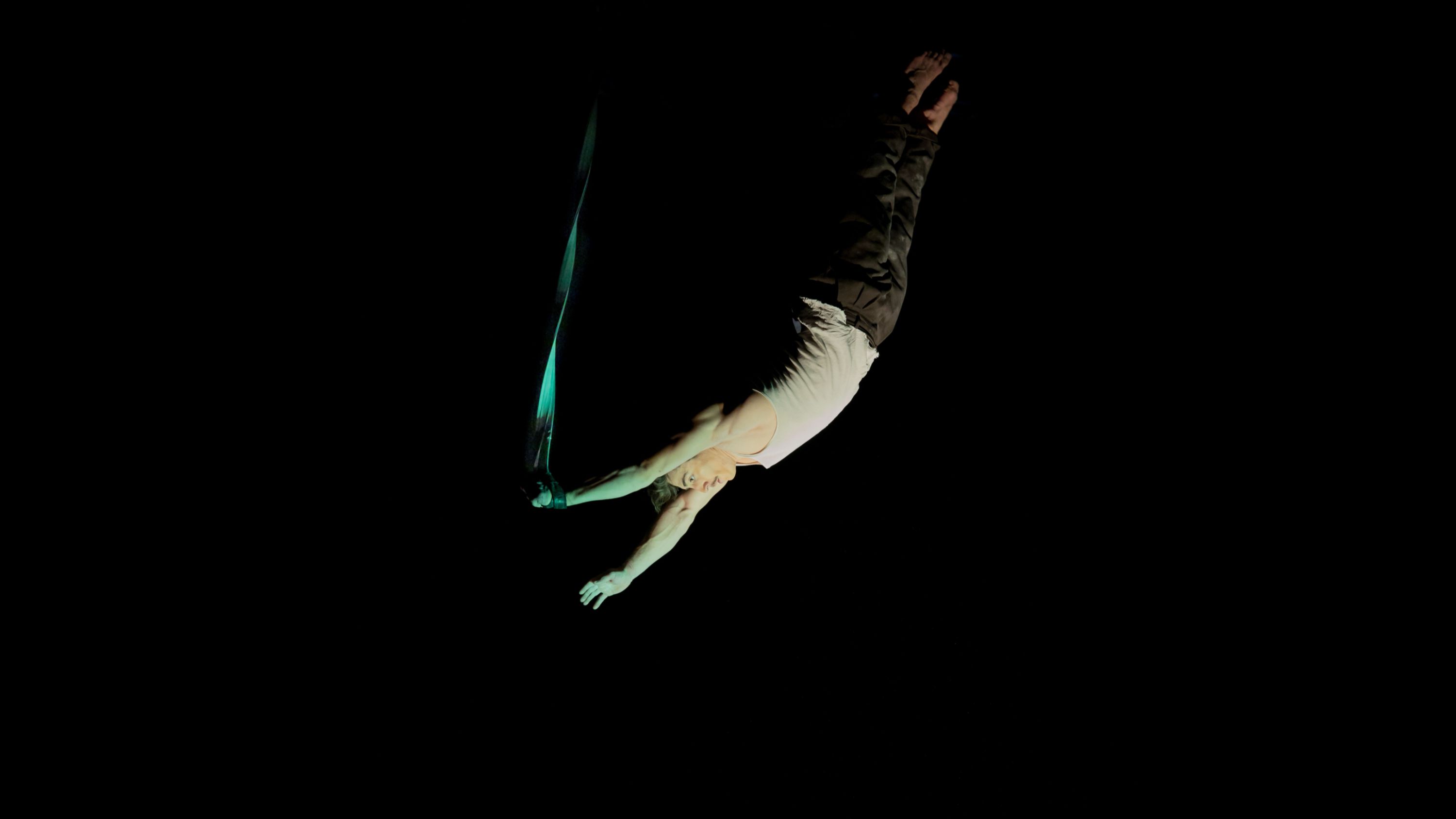
5. Inversions and flags. Once your shoulders and hollow body are solid, inverted positions like the flag become achievable and, more importantly, safe to hold.
6. Dynamic combinations. Only once the building blocks above are solid should you start linking movements, dislocates, saltos, and swing to static transitions.
Skipping steps here doesn't just slow you down, it's the most common cause of plateaus and injuries in straps training.
Common Beginner Mistakes
Copying advanced tricks before mastering the basics that support them. A flag looks simple in a 3-second clip. It's built on months of shoulder and core work most people don't see.
Training without feedback. Straps technique is very hard to self-correct, small errors in shoulder position or body shape are almost impossible to feel from the inside, but easy for a coach to spot on video.
Inconsistent training. Straps is a skill that rewards frequency far more than intensity. Three short, consistent sessions a week will out-progress one long, occasional session every time.
Do You Need a Coach?
You don't need a coach standing next to you at every session, but you do need structured guidance and real feedback at some point, especially in the first few months. This is exactly where most people get stuck: they either pay $80-150 an hour for a local private coach (if one is even available where they live), or they try to piece together a plan from scattered YouTube videos with no order and no feedback loop.
That gap, structured, affordable, ongoing coaching, without needing a coach in your city, is the whole reason Straps Academy exists.
Where to Start Today
If you're serious about learning straps the right way, the best first step is a genuine assessment of where your body is right now, your grip endurance, your shoulder mobility, and your hollow body control, followed by a simple, structured plan for your first weeks.
That's exactly what the Straps Starter Kit gives you, for free: 5 detailed movement analysis videos, a 28-day strength program built specifically for straps, and a personalized massage routine to support recovery as you train.
Get your free Straps Starter Kit →
Whether you're training completely on your own or looking for real structure for the first time, this is the clearest, safest way to begin.
A free 28-day program with movement analysis videos to build the strength, flexibility, and technique foundation every straps beginner needs.